
Engine coolant does more than keep your temperature gauge in the normal range. It helps carry heat away from the engine, protects cooling-system components from corrosion, and provides freeze protection when temperatures drop. If the coolant is overdue, contaminated, or at the wrong concentration, a relatively small maintenance item can become an expensive overheating problem.
If you’re wondering about coolant flush cost or whether your vehicle needs this service, start with your owner’s manual and your car’s symptoms, not a one-size-fits-all schedule. Here’s what a coolant flush involves, what to watch for, and how to weigh the cost for drivers in Kitchener.
What does engine coolant do?
Coolant circulates through the engine and radiator, absorbing heat and releasing it as it passes through the cooling system. It also helps protect components such as the radiator, water pump, thermostat, heater core, and internal engine passages from corrosion and deposits.
In winter, the coolant mixture is especially important. The correct concentration helps prevent the fluid from freezing in cold weather. Too much water or an unsuitable mixture can compromise protection; using a stronger antifreeze mixture than specified isn’t automatically better either. Follow your vehicle manufacturer’s instructions for the correct coolant and concentration.
Signs your car may need a coolant flush
Coolant service is usually based on your vehicle’s maintenance schedule and the condition of the fluid. These signs mean it’s worth arranging an inspection:
- The coolant looks rusty, muddy, or unusually cloudy. Coolant colour varies by product, so colour alone doesn’t confirm that it’s bad. But rust-like discolouration, visible particles, or an oily appearance deserve attention.
- Your engine is overheating. A rising temperature gauge or overheating warning needs prompt attention. A flush may be part of maintenance, but it won’t repair a failed thermostat, leak, water pump, radiator, or cooling fan.
- You notice a sweet smell or visible fluid. A sweet odour, wet patches, or dried residue around hoses or the radiator can indicate a coolant leak. Have the cause checked rather than repeatedly topping up and carrying on.
- The coolant level keeps dropping. A low level or frequent need to add coolant is not a normal maintenance interval. It can point to a leak or another problem requiring diagnosis.
- The service interval is due, or the history is unknown. Coolant replacement intervals vary widely by vehicle, coolant type, and driving conditions. Check the maintenance schedule for your specific year, make, and model; don’t rely on a universal mileage rule.
If your vehicle is overheating or steaming, pull over somewhere safe, switch off the engine, and arrange assistance. Never open a radiator cap or pressurized coolant reservoir while the engine is hot. Hot coolant can cause serious burns.
What happens during a professional coolant flush?
“Coolant flush” can describe different procedures, so ask what a service includes. A technician typically checks the cooling system and fluid condition, drains old coolant, and refills the system with the manufacturer-specified product. Depending on the vehicle and the service recommended, the system may also be flushed to help remove old fluid and contamination.
A thorough service may include inspecting hoses and connections, checking for leaks, and pressure-testing the cooling system. The technician then fills it with the correct coolant and bleeds trapped air according to the vehicle’s requirements. Proper bleeding matters: air pockets can interfere with circulation and contribute to overheating or inconsistent cabin heat.
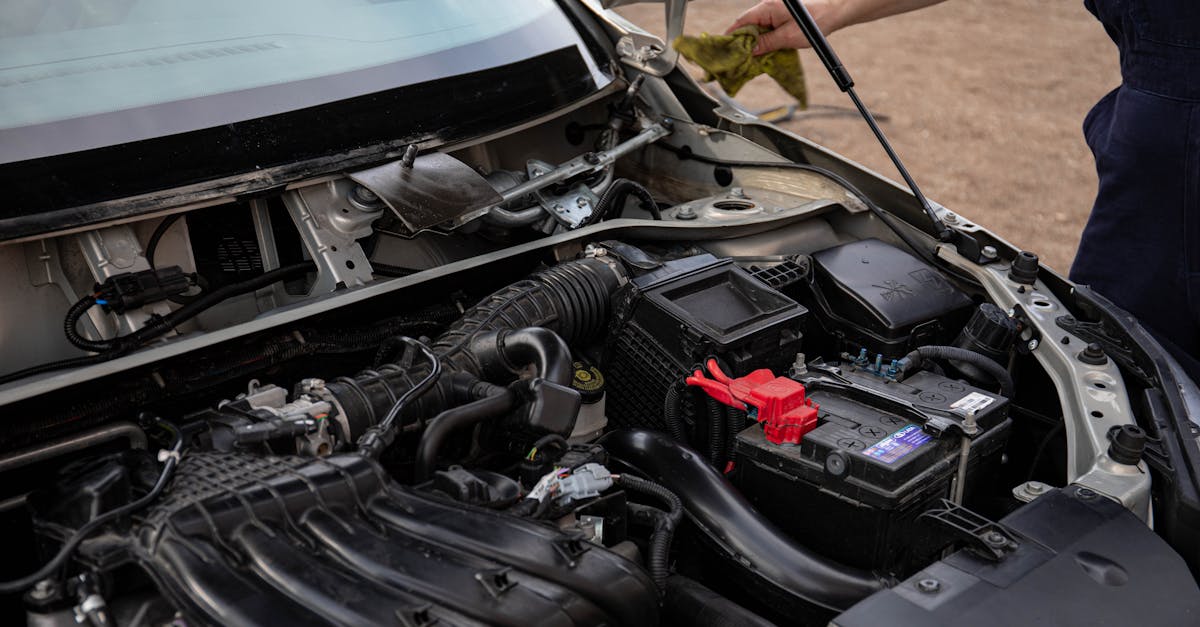
A flush is maintenance, not a cure-all. If testing finds a leak or a failing component, that issue needs to be addressed separately. A cooling-system inspection can help distinguish overdue fluid service from a repair that shouldn’t wait.
Why the correct coolant type matters
Coolants aren’t all interchangeable. Different vehicles may require different chemistries, specifications, and mixtures. Mixing incompatible products, or choosing fluid based only on its colour, may reduce the protection the system needs.
Check your owner’s manual or ask a technician to identify the correct product for your vehicle. If a repair has opened the cooling system, or the service history is unclear, tell the shop. Those details can help determine whether a flush, a drain-and-refill, a test, or further diagnosis is the right next step.
For more information about the fluid services available at Techline Motors, visit our fluid service page.
What does a coolant flush cost in Kitchener?
As a general budgeting guide, publicly listed local estimates put coolant flush services at roughly $100–$250 CAD, depending on the vehicle and what the service includes. For example, published estimates from a Kitchener-area service provider and a mobile coolant-flush provider show that price can vary by vehicle type and coolant specification. These are estimates, not a quote from Techline Motors; ask the shop to confirm your vehicle’s price.
The total can depend on the amount and type of coolant required, how accessible the system is, and whether testing or additional repairs are needed. Before approving the work, ask what procedure is included, whether it uses the specified coolant, and whether the quote includes applicable taxes and disposal.
The cost-benefit comparison is straightforward: routine fluid service is generally far less expensive than repairing damage caused by serious overheating, such as a failed head gasket, water pump, or radiator. But spending money on an unnecessary flush doesn’t save you money either. If the coolant is in good condition and the manufacturer’s interval hasn’t arrived, an inspection or concentration test may be the better choice.
Why timing matters before a Kitchener-Waterloo winter
Before winter, it’s sensible to confirm that your coolant is in good condition and has the freeze protection your vehicle requires. Cold weather doesn’t automatically mean every car needs a flush; the owner’s manual and a proper inspection should guide that decision. Checking ahead of the first deep freeze gives you time to address overdue maintenance or a leak before it becomes a roadside problem.
For drivers around Kitchener-Waterloo, the best approach is to treat coolant as part of planned maintenance, not something to think about only after the temperature gauge climbs. Keeping a record of the service date and odometer reading can also make it easier to follow the next manufacturer-recommended interval.
Protect your engine with the right service
A coolant flush can help maintain temperature control, corrosion protection, and winter freeze protection when it’s due and performed with the correct fluid. The right service begins with a vehicle-specific recommendation and an inspection, not guesswork or a generic interval.
Techline Motors is located at 1392 Victoria Street North, Kitchener, ON, and serves drivers in Kitchener, Waterloo, Breslau, Cambridge, and Guelph. Qualifying repairs or services may be covered by the NAPA Autopro Peace of Mind Warranty for 24 months or 40,000 km, subject to its terms. Contact Techline Motors to book a coolant or fluid service and get a recommendation tailored to your vehicle before winter.